

Quondong seed - Pro2be T8 24mm test
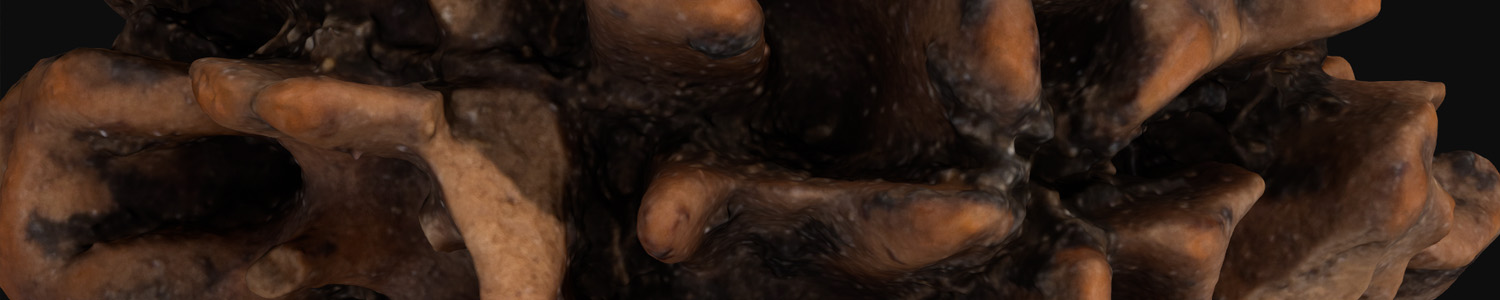
3D model of a Quondong seed captured with a probe lens, ideal for capturing fine detail at this scale.
This 3D model of a Quondong seed was captured using a probe lens, which is ideal for achieving exceptional detail at this small scale.
3D model embedded using Pedestal 3D®. Visit pedestal3d.com for more info
About This Model
The Pro2be T8 24mm probe lens allows for extreme close-up photography while maintaining precise detail, making it perfect for capturing very small objects like this Quondong seed in photogrammetry workflows.
Capture Method
Working at this scale can be a laborious approach if done with general macro lenses and focus stacking. This scan was achieved very quickly using a basic photogrammetry approach with the following advantages:
- No focus stacking required - The specialty probe lens eliminated the need for time-consuming focus stacking workflows
- Pro2be T8 24mm probe lens - This specialised lens maintains sharp focus at extreme close distances
- Rapid capture - The probe lens allowed for quick image capture compared to traditional macro techniques
- Exceptional macro detail - Achieved high-resolution results without the complexity of traditional macro workflows
The probe lens approach demonstrates how specialised equipment can dramatically streamline the capture of very small objects while maintaining exceptional quality.
Technical Benefits
The probe lens provided:
- Precise focus at very close distances without focus stacking
- High-resolution texture mapping in a single pass
- Accurate surface detail reproduction
- Significantly reduced capture time compared to conventional macro methods
Uses for 3D Models
Digital preservation of small natural specimens like this allows:
- Virtual museum exhibitions
- Educational resources
- Research and study
- Scientific documentation
- Detailed morphological analysis